



Turks and Caicos Weather by Month: Our Local Guide to Every Season
At White Villas, we have been welcoming guests to Long Bay Beach on Providenciales since 2016. Before we settled here, we visited more than fifteen Caribbean spots trying to find the one with the best mix of sun, calm water, and easy living. The weather won us over, so we know it better than almost anyone else on the island.
This guide walks you through Turks and Caicos weather by month, so you can pick the right time for your trip. You will find average highs and lows, rainfall, water temperature, humidity, and a few real tips about what each month feels like on the ground. We also share the events, beaches, and activities that shine in every season.
Think of it as the kind of advice we give friends and returning guests when they ask us, “so when should we come?”
Turks and Caicos Weather at a Glance
The short version: it is warm here all year. Daily highs sit between 76 and 92°F (24 to 33°C), and we get around 350 days of sunshine a year. Trade winds blow most afternoons, which keeps the heat easy to handle.
- Dry, cooler months: December through April
- Warmer, drier months: May through July
- Wetter, most humid months: August through November
- Hurricane season: June 1 to November 30 (peak risk mid-August to September)
- Average ocean temperature: 77–84°F (25–29°C), warm enough to swim in any month
The islands sit south of the main Bahamian chain and far enough east that storms often curve away from us. That is one reason we chose Long Bay Beach for our villas: the reef, the breeze, and the location all help keep the weather gentle.
Turks and Caicos Weather, Month by Month
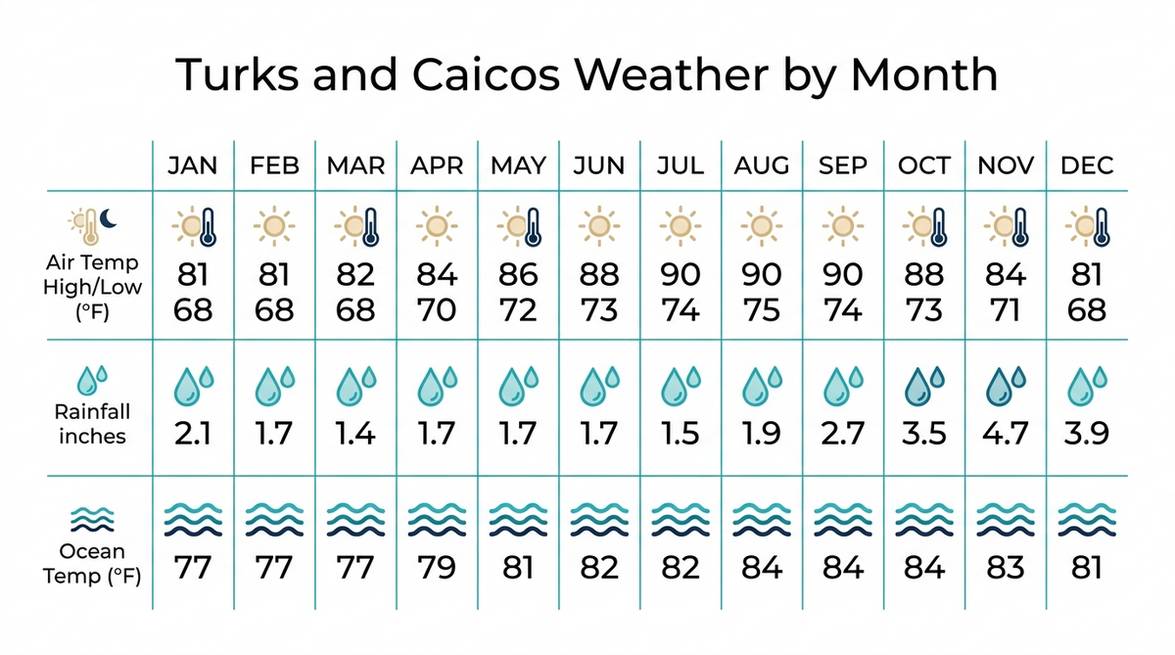
Below is what each month feels like when you wake up here. Numbers are rounded averages from long-term island data, with a few notes from our own years of hosting guests.
January
January is one of our favorite months for a peaceful trip. Daytime highs sit around 81°F (27°C) and nights cool to about 68°F (20°C). Rain is light, around 2 inches across roughly 12 short showers, and humidity stays moderate.
Ocean temperature sits near 77°F (25°C), a touch cool at first splash but lovely within a minute. Mornings are bright, afternoons can bring a short breeze, and evenings feel crisp enough for a long sleeve on the terrace. This is peak winter escape season, so book early.
February
February brings the driest weather of the year. Expect highs of 81°F (27°C), lows of 68°F (20°C), around 1.7 inches of rain spread over about 10 days, and a steady 7 hours of sun daily.
This is also the single busiest month on the islands, so villa availability fills fast. The weather is flawless for long beach days, and the calm surface on the reefs makes snorkeling clear from mid-morning onward. The Valentine’s Day Cup on Bambarra Beach is a fun cultural side trip if you have a free Saturday.
March
March is warm, dry, and almost perfect. Highs reach 82°F (28°C), lows stay near 68°F (20°C), and rainfall drops to about 1.4 inches, the lowest of the year. Humidity stays comfortable and sunshine holds at 7 hours a day.
The water starts to warm toward 77°F (25°C), and boat trips to outer cays run smoothly with light wind. Spring break crowds arrive mid-month, which lifts the energy on Grace Bay. For quieter swims we point guests toward Taylor Bay and Sapodilla Bay.
April
April is the last month of the prime dry season and a guest favorite. Highs touch 84°F (29°C), nights stay near 70°F (21°C), rainfall is a light 1.7 inches, and the ocean warms to 79°F (26°C).
Easter week is lively: the Kite Flying Competition on Easter Monday fills the sky above island beaches with color, and families gather for egg hunts. Mornings are ideal for diving, since the water is glassy and visibility often hits 100 feet.
May
May is our secret shoulder month. Highs reach 86°F (30°C), lows stay near 72°F (22°C), and rainfall stays light at about 1.7 inches across roughly 13 short showers. Humidity rises but breezes keep it pleasant.
Water temperature climbs to 81°F (27°C), which is bath-warm and great for long swims. Crowds thin, prices drop, and hurricane season has not started. The South Caicos Regatta late in the month is one of our favorite local events, with traditional sloop races and fresh seafood.
June
June kicks off our warm, green season. Highs run 88°F (31°C), lows stay near 73°F (23°C), and rain totals about 1.7 inches over 14 short bursts. Humidity picks up, but cooling trade winds blow almost every afternoon.
Hurricane season officially starts June 1, yet actual storm activity this early is very low. Water temperature climbs to 82°F (28°C), and this is when we start recommending sunset beach time over midday sun for sensitive skin. Diving visibility stays excellent.
July
July is hot and bright. Highs reach 90°F (32°C), lows stay near 74°F (23°C), and rainfall drops to about 1.5 inches. Sunshine is at its peak, roughly 8 hours of direct sun a day.
The water warms to 83°F (28°C), almost like stepping into a heated pool. The Turks and Caicos Music and Cultural Festival runs in late July into early August, which is a great excuse to mix beach days with live music nights. We suggest early-morning beach walks and lazy afternoons in the shade.
August
August is the hottest, most humid month. Highs hit 90°F (32°C), lows stay near 75°F (24°C), and rain averages 1.9 inches across roughly 17 days, mostly short tropical downpours. Humidity runs very high.
Water temperature peaks at 84°F (29°C), the warmest swim of the year. This is the start of higher hurricane probability, so we keep an eye on the forecast from mid-August. On calm days, snorkeling on Smith’s Reef is magical, with strong light and abundant sea life.
September
September is the wettest, warmest, and least crowded month. Highs still reach 90°F (32°C), rainfall jumps to about 2.7 inches, and hurricane risk is at its highest. Sunshine remains 7 hours a day on good days.
Most resorts run reduced schedules, which suits travelers who want quiet beaches and low prices. Water stays a warm 84°F (29°C). If you visit, flexible flights and solid travel insurance are smart, and afternoon showers usually clear within an hour.
October
October feels like summer slowly easing into fall. Highs sit near 88°F (31°C), rainfall rises to about 3.5 inches, and the ocean stays warm at 84°F (29°C). Humidity is still high, but the worst of hurricane season typically passes by mid-October.
Late in the month, crowds begin to return for early holiday getaways. For guests who love empty beaches and lower rates, this can be a smart window. Wildlife tours, including humpback whale migration watching, begin setting up for the winter season.
November
November is our quiet sweet spot. Highs drop to 84°F (29°C), nights cool to 71°F (21°C), and the ocean is at its warmest, 83°F (28°C), which many guests say is the best swim of the year. Rain peaks at about 4.7 inches, but downpours are short.
Humidity falls, crowds are thin, and villa rates are well below the December peak. The Conch Festival in Blue Hills celebrates our national symbol with tasting contests, live music, and sloop racing. We often tell returning guests this is the best-kept secret on the calendar.
December
December closes the year with cool, dry weather. Highs are back to 81°F (27°C), lows near 68°F (20°C), and rain drops to about 3.9 inches before the dry season takes hold. The ocean remains warm at 81°F (27°C).
The holiday crowd arrives from mid-month onward. The Maskanoo Festival on Boxing Day brings a colorful costumed parade along Grace Bay Road, and New Year’s Eve fireworks over Grace Bay Beach are a yearly highlight. Villa availability tightens fast, so book well ahead.
Best Time to Visit Turks and Caicos
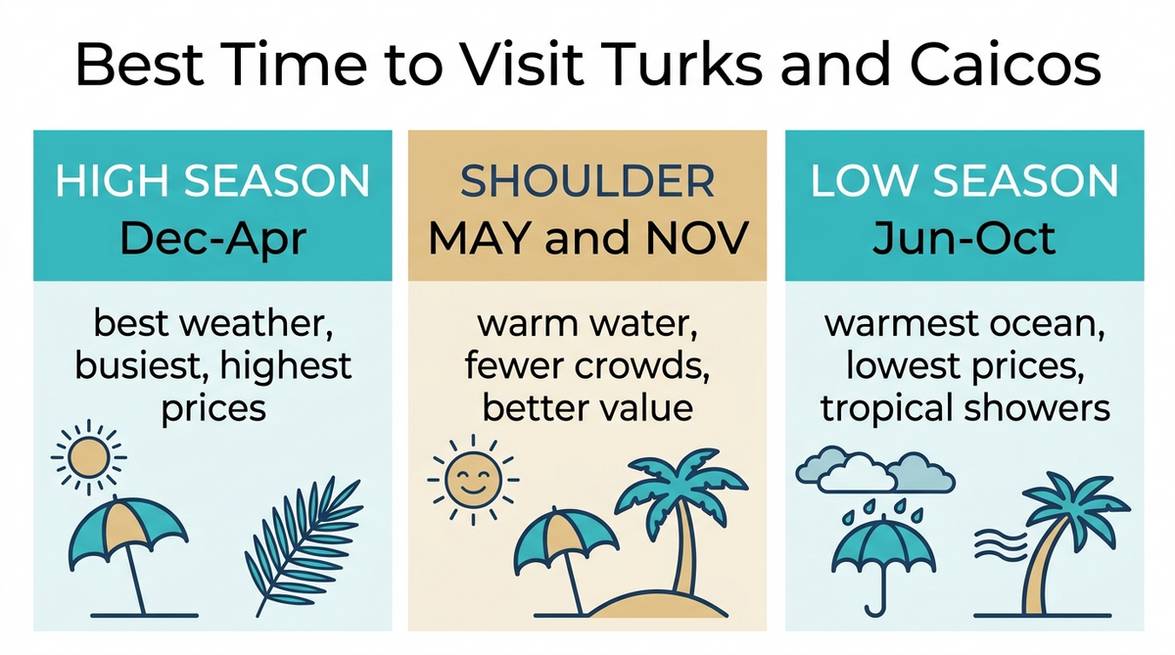
No month is truly “bad,” but each season has its own mood. Here is how we think about it when guests ask for help choosing dates.
High season (December to April): The most reliable weather and the biggest crowds. Book three to six months ahead for February and March. Prices run 30–50% higher than low season, but the weather is postcard perfect.
Shoulder season (May and November): Our favorite balance of sunshine, warm water, and breathing room. Prices soften, the ocean is at its warmest in November, and events like the South Caicos Regatta and the Conch Festival add color without overcrowding.
Low season (June to October): The warmest air and water, with short afternoon showers and a real chance of tropical storms from August to early October. Prices are lowest and beaches feel mostly private, which is lovely for remote workers and flexible travelers.
Local tip: If you cannot travel in February or March, November is the closest thing to perfect weather at a lower rate. We quietly consider it our favorite month on Long Bay Beach.
Our Favorite Beaches and Places Through the Seasons
These are the spots we send guests to again and again, grouped by the time of year they shine the brightest. Every place here is worth a visit any month, but a few really show off in a specific season.
Grace Bay Beach
Grace Bay is the shoreline most travelers picture when they dream of Turks and Caicos. The water is smooth and clear, the sand is powder soft, and a long protective reef keeps the surface calm even when the wind picks up.
We point guests here in January, February, and March for the classic winter-escape experience: warm sun, manageable crowds closer to resort ends, and calm snorkeling just offshore.
- Rating: 4.8 (857+ reviews)
- Location: Grace Bay, Providenciales
- Best months: December–April for calm water; November for warmest swims
- Insight: Pack your own chair and umbrella if you are visiting outside a resort. Most of the shore is open to the public.
Learn more about Grace Bay Beach
Long Bay Beach
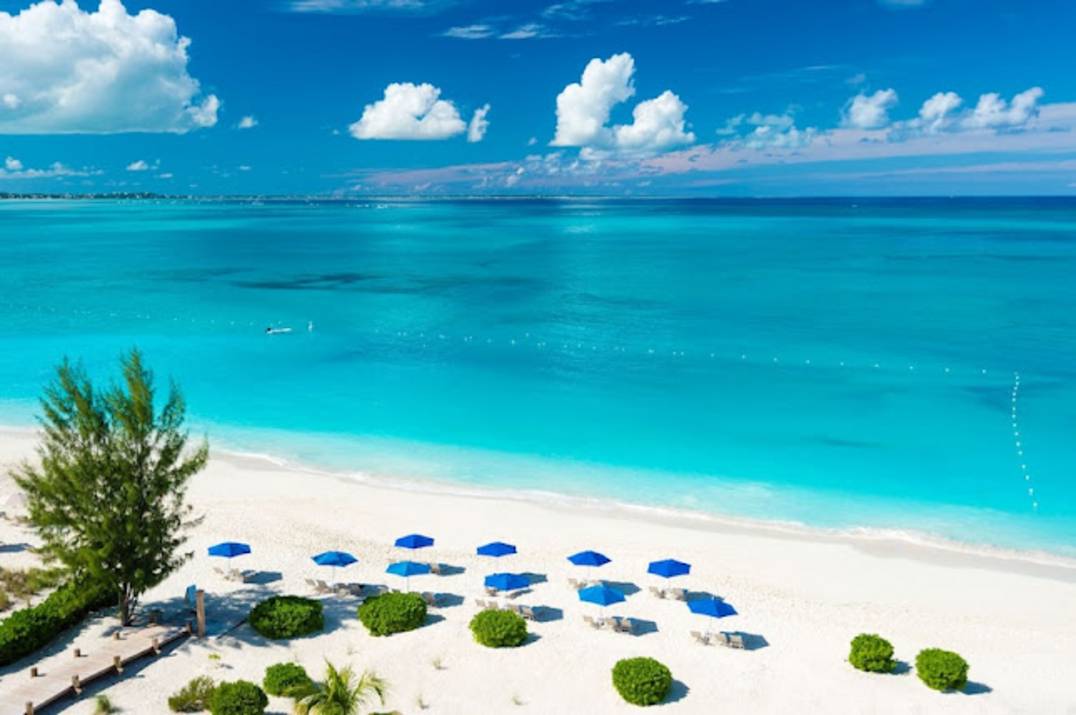
Long Bay Beach is home for us, and for good reason. The shallow, breezy shoreline stretches for miles, and the steady east wind makes it one of the top kiteboarding spots in the world. On calmer mornings, it is a gorgeous place to walk, run, or watch a sunrise.
Summer and early fall bring peak kite conditions; winter offers the softest morning light. It rarely feels crowded thanks to its size.
- Rating: 4.6 (95+ reviews)
- Location: Long Bay, Providenciales
- Best months: May to September for kiting; November to April for peaceful walks
- Insight: Morning shadows make this the best sunrise beach on Providenciales.
Learn more about Long Bay Beach
Taylor Bay Beach
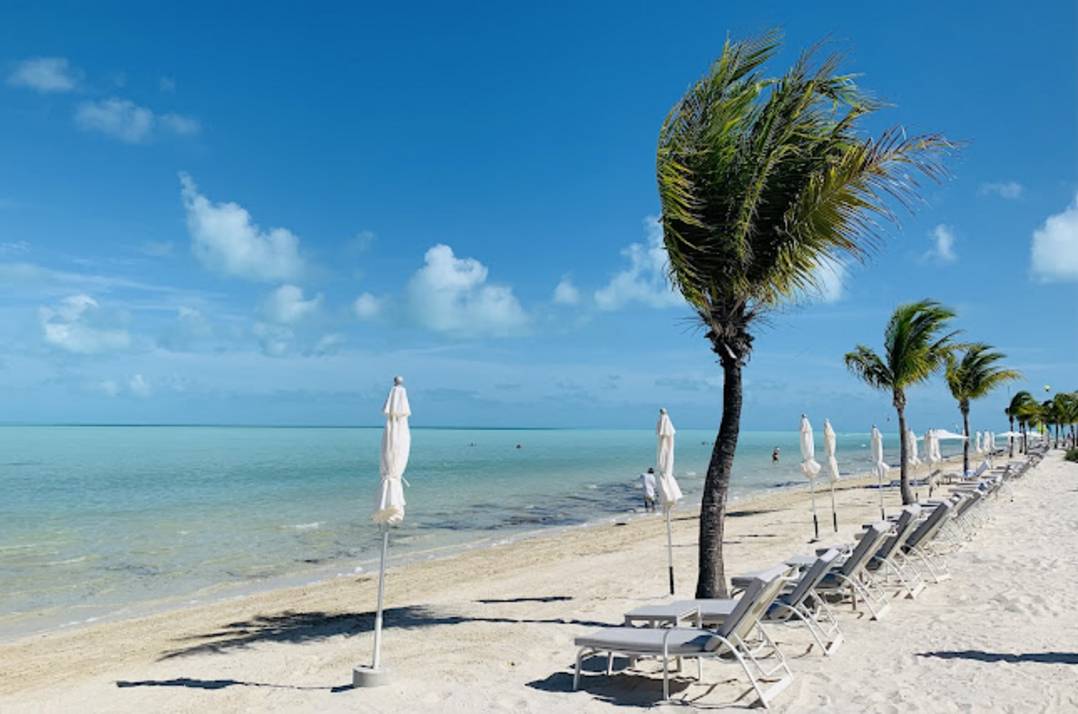
Taylor Bay is a hidden favorite for families with young children. The water stays knee deep for a long way out, and the bay is tucked enough that waves almost never rise above a ripple.
Winter brings the calmest days, and the protected cove makes it a comfortable spot even on breezy afternoons.
- Rating: 4.8 (365+ reviews)
- Location: Chalk Sound area, Providenciales
- Best months: December–April for glassy water
- Insight: Park along Ocean Point Drive and follow the short trail to the beach. Sunset here is quieter than Grace Bay.
Learn more about Taylor Bay Beach
Chalk Sound National Park
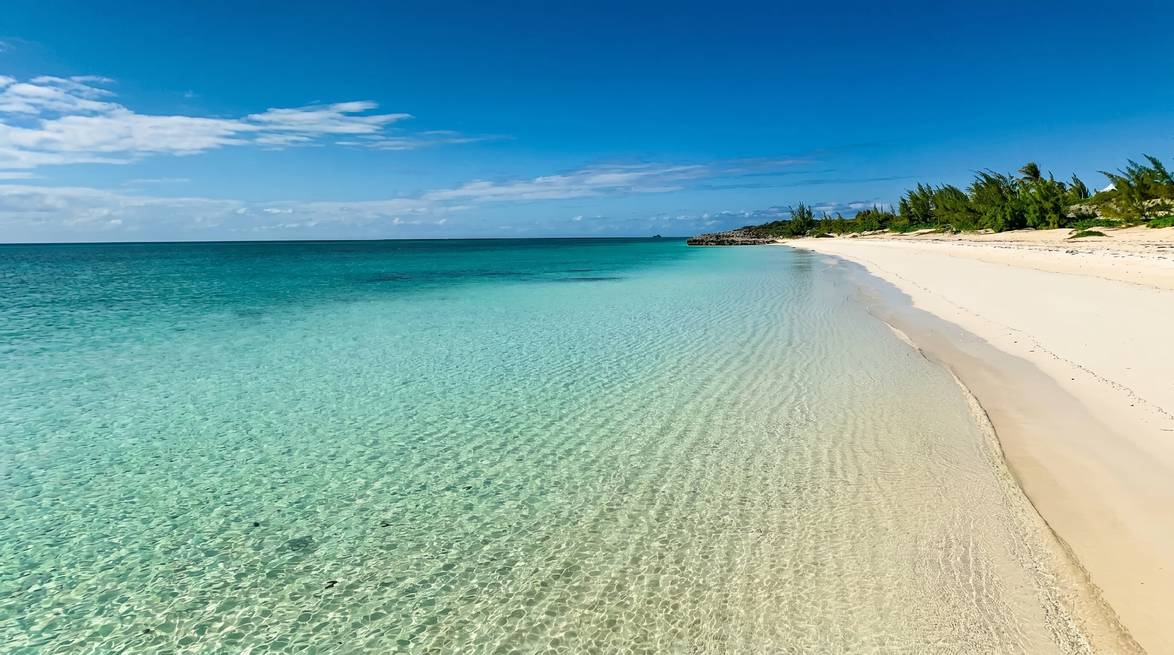
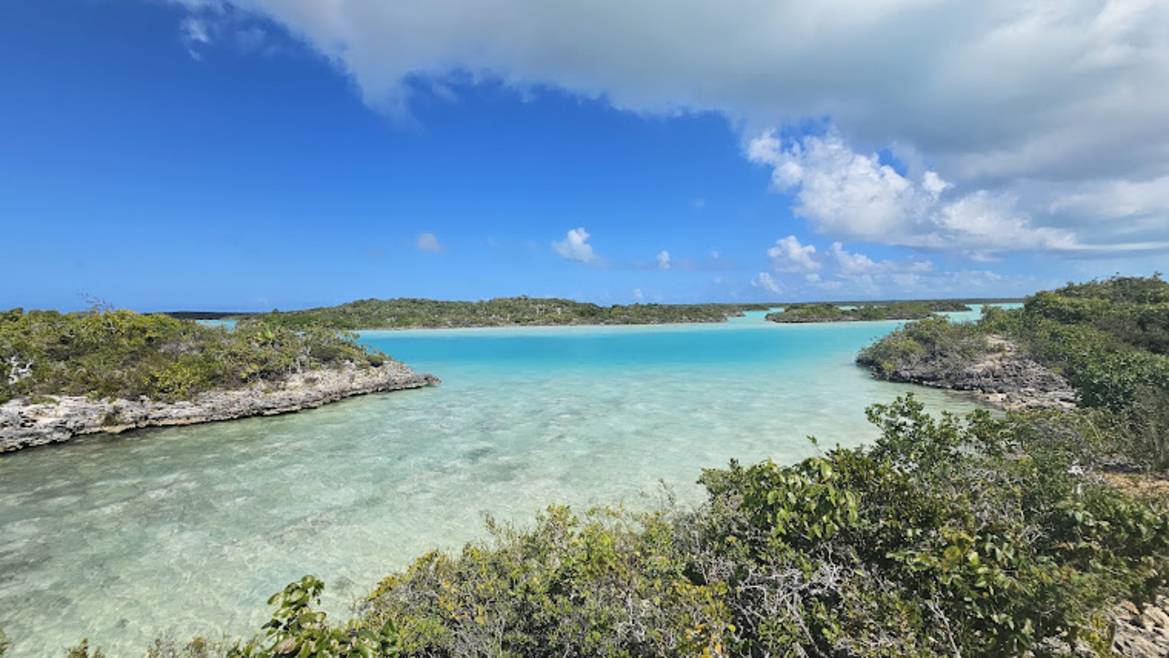
Chalk Sound is the unreal, almost neon shade of turquoise that appears on every Turks and Caicos postcard. The lagoon is dotted with tiny islands and stays glass smooth because it is protected from open water.
Kayaks and paddleboards are the best way to explore. Sunny afternoons from winter through early summer are magical here.
- Rating: 4.9 (27+ reviews)
- Location: Chalk Sound Road, Providenciales
- Best months: February to June for calm, bright conditions
- Insight: The water is too shallow for swimming in most places, so plan this as a sightseeing and paddle trip.
Learn more about Chalk Sound National Park
Seasonal Packing and Trip Tips
A few simple notes we share with every guest at check-in, tuned to the time of year.
For winter trips (December to April):
- A light sweater or long-sleeve for early mornings and evenings on the terrace
- Reef-safe sunscreen, sunglasses, and a wide-brim hat
- A snorkel set if you plan to explore reefs daily, or rent from our water activities team
- Book flights, villas, and any snorkeling tours early
For shoulder-season trips (May and November):
- Summer layers plus one light jacket for breezy evenings
- Insect repellent for inland excursions
- An empty carry-on for conch-shell finds and local craft shopping
For summer and fall trips (June to October):
- Breathable, quick-dry clothing
- A reliable weather app and flexible trip plan for short tropical showers
- Travel insurance with tropical storm coverage, especially in August and September
- A small drybag for boat trips when surprise rain pops up
Good to know: The sun here is strong in every month. Even on overcast winter days, reflection off the sand and water can cause a quick burn. Reapply sunscreen every two hours.
Plan Your Turks and Caicos Escape With Us
There is no wrong month to visit our islands. Winter delivers that classic Caribbean postcard. Shoulder months offer warm water and real peace. Even the rainier stretch has its own charm, with quiet beaches and unbeatable prices.
At White Villas, we are happy to help you match your dates to the right experience. If you are unsure when to come, send us a message and we will share what the weather, crowds, and activities look like for your window. We have lived here since 2016 and we love helping guests feel the magic of Providenciales in every season.
Ready to plan your trip? Browse our Long Bay Beach villas and let’s find the right month for you.
Frequently Asked Questions
What is the best month to visit Turks and Caicos?
February and March offer the most reliable weather, with warm days, cool nights, minimal rain, and calm seas. For similar weather at lower prices and with fewer crowds, November is the best alternative.
What is the rainiest month in Turks and Caicos?
November is the rainiest month on average, with about 4.7 inches of rainfall. Most rain comes in short afternoon showers that clear quickly, so beach time is still very possible.
When should you avoid Turks and Caicos?
Mid-August through mid-September has the highest hurricane probability and the warmest, most humid conditions. If you still want to travel then, choose flexible flights and strong travel insurance.
Can you swim in Turks and Caicos in January?
Yes. Water temperature in January averages 77°F (25°C), which feels cool at first but is pleasant within a minute. Many guests happily snorkel and swim all winter long.
What is hurricane season in Turks and Caicos?
Hurricane season officially runs June 1 to November 30. Statistically, direct storm hits are rare, but the highest risk window is mid-August through mid-October.
How warm is the ocean in Turks and Caicos during summer?
Between June and October, the ocean reaches 82–84°F (28–29°C). It is genuinely bath-warm, which is ideal for long swims, snorkeling, and water activities.