



Turks and Caicos Hurricane Season: A Local’s Honest Guide for Travelers
If you are thinking about a Caribbean trip and the dates land somewhere between early summer and late autumn, the Turks and Caicos hurricane season is probably on your mind. We get this question from guests every week.
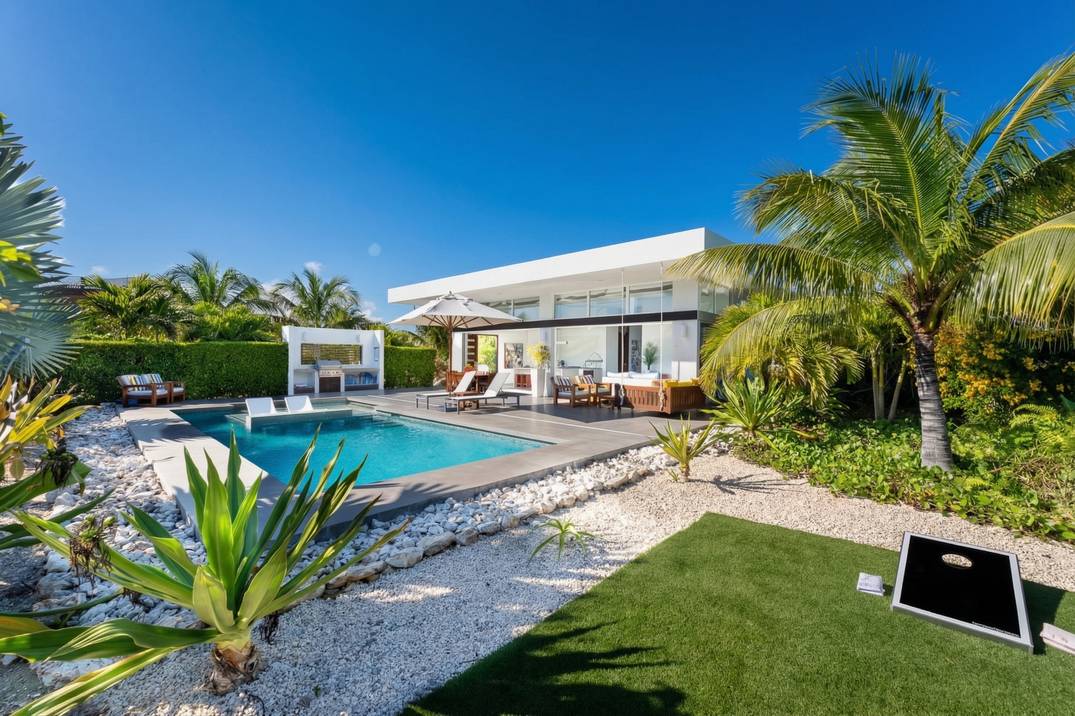
We are Simon, Pina, Karim, and Tim, and we have been hosting at White Villas on Long Bay Beach in Providenciales since 2016. We chose to build a life here for a reason, and part of that reason is how the islands feel during the quieter months. The weather story is more nuanced than the headlines suggest, and once you know the patterns, you can plan a wonderful trip with real savings and fewer crowds.
When Is Hurricane Season in Turks and Caicos?
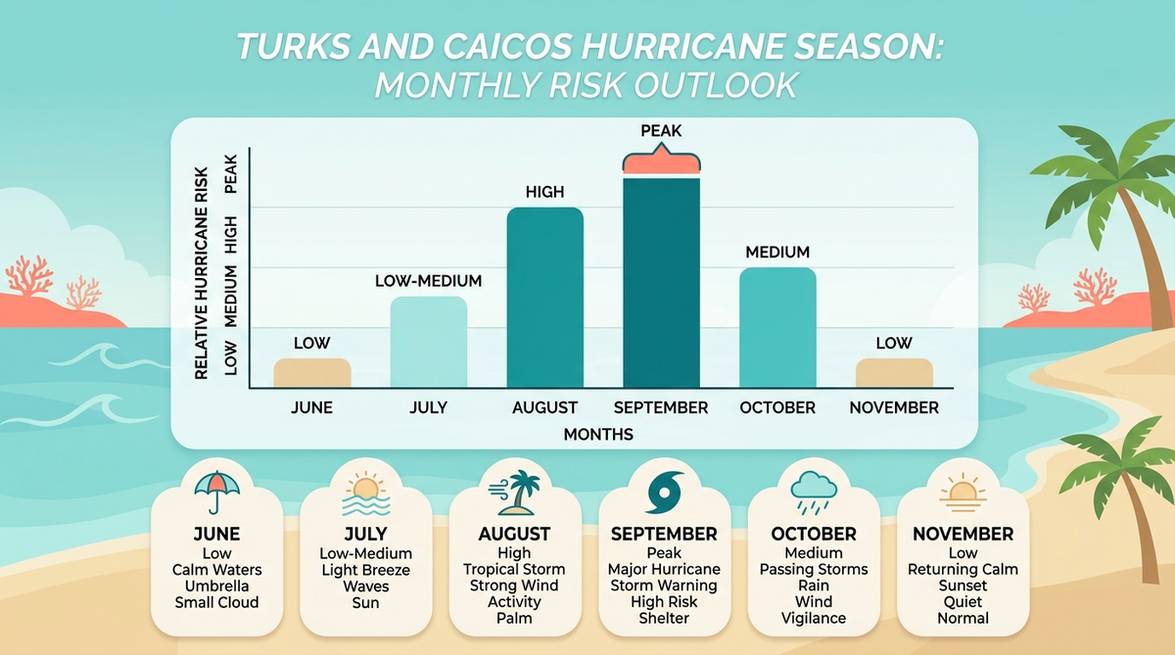
The Atlantic hurricane season runs June 1 through November 30, and Turks and Caicos sits inside that window like every other Caribbean destination. That is six full months on the calendar, and most of them carry very little risk.
Statistically, the heart of the season is mid-August through the end of September. That is when sea surface temperatures peak and tropical systems are most likely to organize. June, early July, and the back half of October are noticeably calmer. November is often a beautiful surprise, with warm water, lower humidity, and rates that have not yet jumped into peak winter pricing.
The rainy stretch runs roughly August into October. When rain does fall on Provo, it usually comes in short, bright bursts that move through in under an hour. Long days of grey, drizzly weather are not the norm here.
How Often Do Hurricanes Actually Hit Turks and Caicos?
This is the part many travelers do not realize. Direct hurricane strikes on Turks and Caicos are rare. The islands sit at the southern edge of the Atlantic basin’s most active corridor, and most named storms that develop nearby curve north toward the open ocean before reaching us.
When a system does pass close, the more common impact is rain, wind gusts, and offshore swell, not a direct landfall. Flight schedules can shift for a day or two, and we may see surf pile up on the north shore for a brief window. Most weeks of the season, you would never know it is hurricane season at all. The water stays clear, the breeze stays warm, and our guests are out on the beach.
That said, history has shown the islands can take a serious storm now and then, which is why preparation is built into how the country runs.
How We and the Islands Prepare for Storms
Turks and Caicos has steadily strengthened its disaster framework over the past decade. The National Disaster Office coordinates emergency response, manages designated shelters, and shares preparedness information with residents and visitors year-round. Government guidance covers everything from stockpiling water and batteries before the season to securing buildings if a system is forecast to pass close.
On the resort side, building codes here are strict. New villas are built to withstand high winds, with reinforced roofs, impact-rated windows, and sustainable systems that hold up when the power grid is tested.
💡 Local tip: If you are watching a storm forecast from home, the National Hurricane Center’s five-day cone is the best tool for tracking probability. We watch it daily through peak season.
Pros and Cons of Visiting During Hurricane Season
There are real reasons to love a hurricane-season trip and real reasons to plan carefully. Here is the honest balance.
Pros
- Lower rates. Villa pricing, flights, and many activities are noticeably less expensive between June and early November.
- Quieter beaches. Grace Bay and Long Bay feel almost private on weekday mornings.
- Glassy water. Outside of an actual storm window, the sea is often calmer in summer than it is during the windier winter months. Snorkeling, paddle boarding, and kayaking are at their best.
- Warm, long days. Sunset is later, water is bath-warm, and the islands feel relaxed.
Cons
- Storm risk is non-zero. The closer you book to mid-August through September, the more weather monitoring you should do.
- Higher humidity and rain bursts. August into October brings more moisture in the air.
- Mosquitoes after rain. A short rainy spell can bring out mosquitoes, especially on the quieter cays. Repellent is your friend.
- Possible flight changes. A storm passing through the region can ripple through Caribbean flight schedules even if it never touches our islands.
Best Months Within Hurricane Season to Visit
If you are choosing a date inside the official season, here is how we rank them for our own family and friends.
- June. Warm water, low storm activity, and good summer pricing. One of our favorite stretches.
- Early November. The season is technically open, but the risk drops sharply by the second week. Pricing has not yet climbed for winter.
- Late October. Often beautiful, with calmer winds and clear water. Worth a look if you are flexible.
- July. Sunny and quiet, though humidity is climbing.
- Late August through September. Possible, but plan with travel insurance and a flexible itinerary.
Where to Spend Your Days: The Beaches We Love
The biggest reason we settled in Provo after touring more than fifteen Caribbean spots was the beaches. Even during hurricane season, when most of the world thinks the islands are off-limits, these stretches of sand are still here, still beautiful, and noticeably quieter.
Long Bay Beach
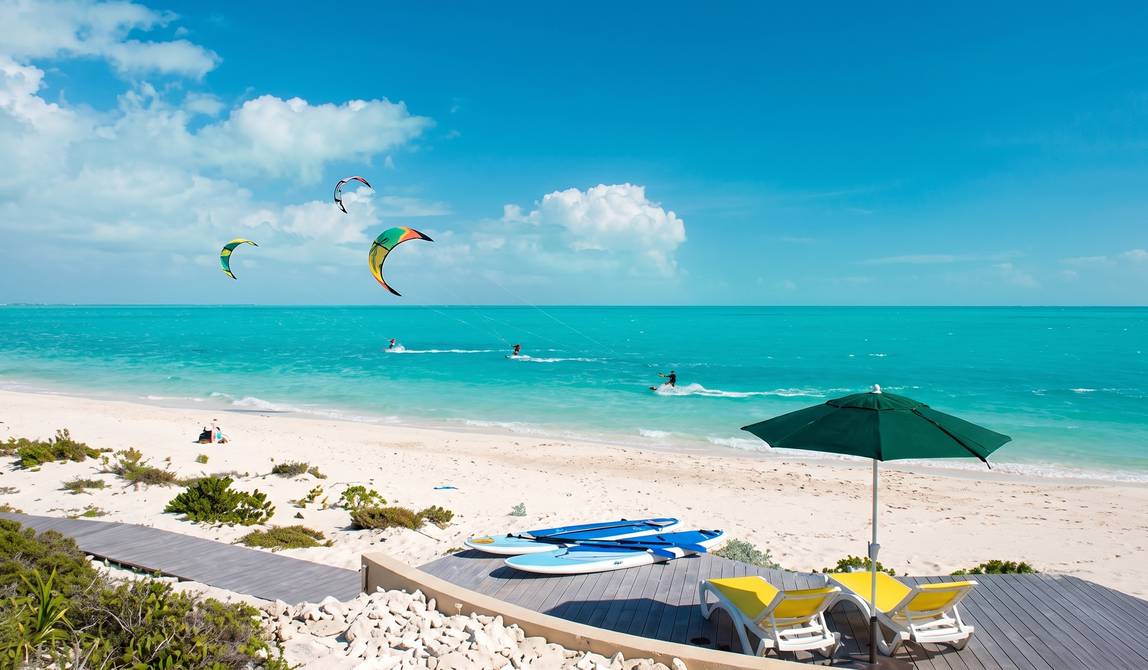
This is our home stretch and the calmest beach on the island. The shallow water reaches your knees for a long way out, which is why families with little kids gravitate here. It is also a kiteboarding hub, so you will see colorful kites threading through the breeze on most afternoons.
We tell our guests Long Bay is the beach for slow mornings: coffee on the sand, a long walk before breakfast, no umbrellas to wrestle with. It also takes weather better than most beaches because of how protected the bay is by the reef offshore.
- Rating: 4.6 stars (95+ reviews)
- Area: Long Bay Hills, Providenciales
- Best for: Families, kiteboarding, sunrise walks
- Local tip: Sunrise here in October is one of the prettiest moments on the island.
Grace Bay Beach
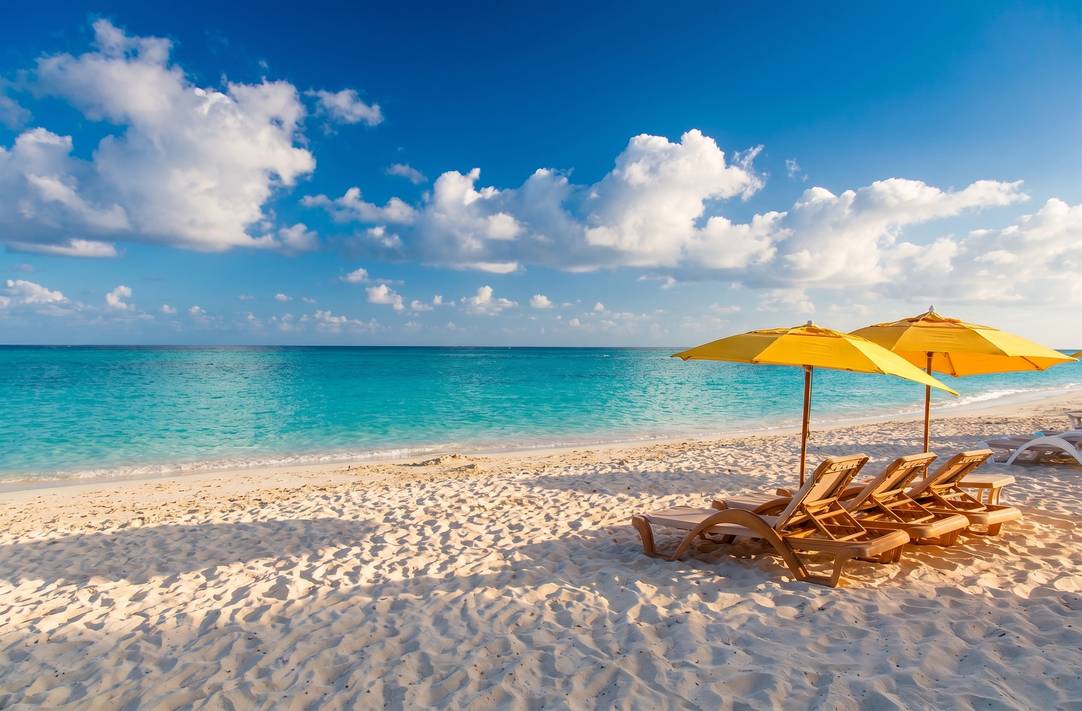
Grace Bay is the postcard beach, and it earns its reputation. Twelve miles of soft white sand with water that genuinely looks unreal in photos because it is unreal in person. During hurricane season the crowds thin out, and you can find a long open stretch even at midday.
Guests often spend a morning here and then a quieter afternoon back at our side of the island. The reef offshore keeps the water flat most days, and the sand is the kind of fine, powdery white that does not get too hot underfoot.
- Rating: 4.8 stars (850+ reviews)
- Area: Grace Bay, Providenciales
- Best for: Long beach walks, photos, calm swims
- Insight: Multiple public access points run the length of the beach, so you can park near a spot that suits your day.
Practical Tips for an Off-Season Trip
A few things we suggest to every guest who books with us between June and November.
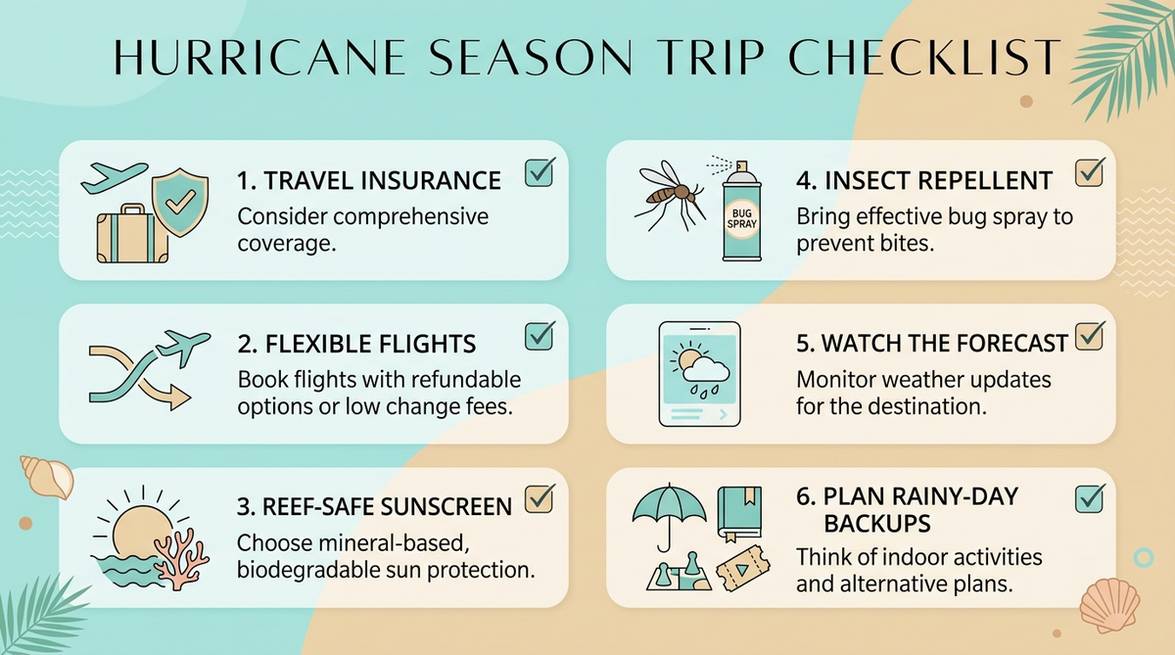
- Buy travel insurance with named-storm coverage. A standard cancel-for-any-reason policy is the strongest, but at minimum confirm your policy covers hurricane disruption and read the fine print on covered reasons.
- Build flexibility into your dates. A 24 to 48 hour buffer on either side of your flights gives you room to adjust if a storm system enters the forecast.
- Pack reef-safe sunscreen and a small bottle of insect repellent. Both are easy to forget and harder to find on the island than at home.
- Watch the forecast starting two weeks out. The five-day cone from the National Hurricane Center is the most reliable signal, not headlines.
- Plan rainy-day backups. Even one short shower a day is normal in late summer. A spa morning, a long lunch at Turtle Cove, or a museum visit at Cheshire Hall make easy plan B options.
- Bring layers for indoor spaces. Air conditioning runs cold in restaurants and shops. A light cover-up is enough.
💡 Good to know: July and early November are often the most underrated weeks of the year on Provo. Warm sea, low storm risk, smaller crowds.
Plan Your Trip With Us
Hurricane season in Turks and Caicos is rarely the trip people fear. Most days look exactly like a postcard, with calmer water, fewer crowds, and prices that make a longer stay possible. The risk is real on the calendar but small in practice, and a little planning goes a long way.
If you would like help choosing the right week, picking a villa, or building a flexible itinerary, reach out to us at White Villas. We have lived this season here every year since 2016, and we genuinely enjoy helping our guests get it right. Long Bay Beach is at its most peaceful right now, and we would love to host you.
Frequently Asked Questions
When is hurricane season in Turks and Caicos?
The season runs from June 1 through November 30, the same as the rest of the Atlantic basin. Most of those months carry low storm risk for the islands.
Which months have the highest hurricane risk?
Mid-August through the end of September is the statistical peak. June, July, late October, and November are noticeably calmer.
Are Turks and Caicos safe to visit during hurricane season?
Yes, with sensible planning. Direct hurricane strikes are rare, and the islands have strong building codes, modern forecasting, and clear emergency protocols. Travel insurance with storm coverage is recommended.
Will my flight get cancelled if a hurricane is nearby?
A storm anywhere in the Caribbean region can cause Caribbean-wide flight delays for a day or two, even when the storm misses the islands. Building a small buffer into your itinerary helps.
Is the snorkeling still good during hurricane season?
Often it is at its best. Trade winds drop in summer, the water turns glassy, and reefs like Smith’s Reef and Coral Gardens see excellent visibility on calm mornings.
Are rates lower during hurricane season?
Yes. Villas, flights, restaurants, and tours all shift to lower pricing between June and early November. The savings are real.